
Questions to Ask a Puppy Breeder Before Bringing One Home
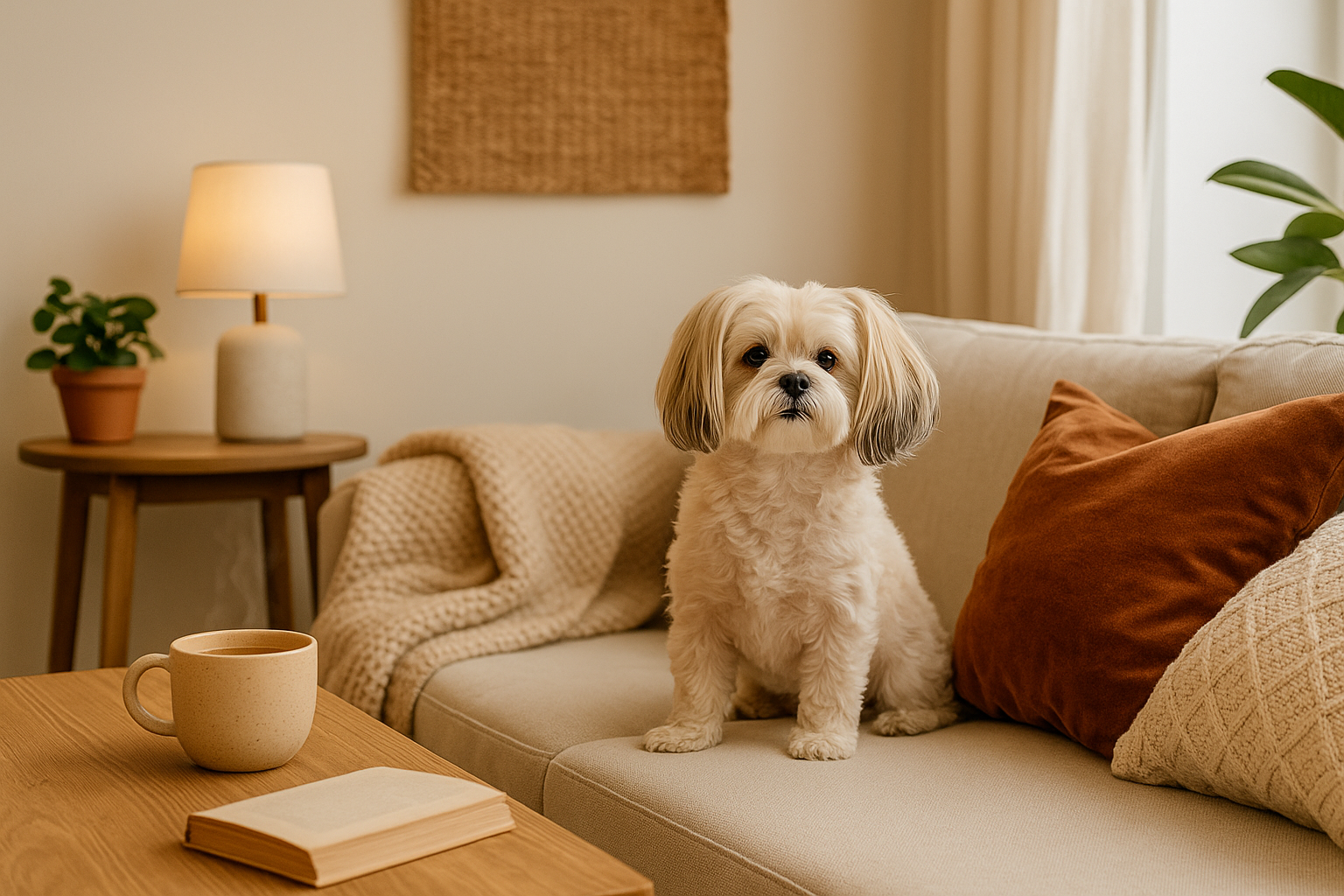

Questions to Ask a Breeder Before Bringing a Puppy Home
Bringing home a puppy is exciting. The moment you see that tiny face, it is easy to fall in love and start imagining the cuddles, walks, playtime, and memories you will share.
But before you send a deposit or agree to take a puppy home, pause for a moment.
Choosing the right breeder matters just as much as choosing the right puppy. The breeder’s decisions can affect your puppy’s health, temperament, confidence, and quality of life for years to come.
A caring breeder will not become annoyed because you ask questions. They will expect you to ask them. They should also have plenty of questions for you because they want to know their puppy is going to a safe and loving home.
You are not being difficult or overly cautious. You are making an important decision for a little life that will depend on you.
Why Did You Decide to Become a Breeder?
Start with a simple question: Why did you begin breeding dogs?
Their answer can tell you a lot about what matters to them. A thoughtful breeder may talk about their love for the breed, producing healthy puppies, protecting good temperament, or helping families find the right companion.
Pay attention when most of the conversation centers on money, rare colors, unusually tiny puppies, or how quickly you can make a payment. Those things should never be more important than the health and well-being of the dogs.
You do not need a perfect speech from the breeder. You simply want to hear genuine care, knowledge, and responsibility in their answer.
What Licenses, Registrations, or Breeding Standards Do You Follow?
Ask whether the breeder is licensed where required and whether their dogs are registered with a recognized organization.
Keep in mind that registration papers do not automatically prove that someone is a responsible breeder. A registered puppy can still come from poor breeding conditions.
Ask the breeder to explain how they choose which dogs to breed, how often their females have litters, what veterinary care the dogs receive, and what standards they follow.
A responsible breeder should be able to answer without becoming defensive or trying to change the subject.
Where Are the Puppies Raised?
You deserve to know where the puppies spend their days and nights.
Are they raised inside the home, in a kennel, or in another building? Is the area clean, warm, safe, and large enough for the puppies to move around, play, sleep, and explore?
Puppies raised around normal household activity may become familiar with sounds such as voices, televisions, doorbells, vacuum cleaners, and kitchen noises. That can help everyday life feel less frightening when they move into their new homes.
Whenever possible, visit in person. When distance makes that difficult, ask for a live video tour rather than relying only on carefully selected photographs.
A breeder who refuses to show you where the puppies live is giving you a reason to pause.
Can I Meet the Puppy’s Mother?
The puppy’s mother should usually be with her litter during those important early weeks.
Meeting her can give you some idea of the puppy’s possible appearance, size, personality, and temperament.
Notice how she behaves. She may be protective of her puppies, which is normal, but she should not look severely frightened, neglected, sick, or uncomfortable.
Look at her overall condition. Does she appear clean and cared for? Does she have a comfortable place to rest? Does she seem familiar with the breeder?
You can also ask how many litters she has had and how much recovery time she receives between pregnancies.
The father may belong to another breeder and may not live on the property. That is not automatically a problem. The breeder should still be able to share information about him, including photographs, health records, genetic testing, and details about his temperament.
What Health Testing Was Completed on the Parents?
A quick veterinary checkup is not the same as breed-specific health testing.
Some breeds are more likely to develop particular inherited conditions. Depending on the breed, the parents may need testing for their hips, elbows, eyes, heart, knees, hearing, or certain genetic diseases.
Ask the breeder which health problems are common in the breed and what testing was completed before the parents were bred.
Do not feel uncomfortable asking to see the actual results. A verbal promise that the parents are “completely healthy” is not the same as written documentation.
A trustworthy breeder should be proud to show you those records and explain anything you do not understand.
What Veterinary Care Have the Puppies Received?
Ask whether every puppy has been examined by a veterinarian.
You should also receive clear information about vaccinations, deworming, microchipping, and any health concerns the breeder or veterinarian has noticed.
Before taking the puppy home, ask for written veterinary records. You will need to share them with your own veterinarian so your puppy’s care can continue without unnecessary delays or repeated treatments.
It is also helpful to ask:
When is the puppy’s next vaccine due?
When was the puppy last dewormed?
Has the puppy had any illnesses or injuries?
Is the puppy currently taking any medication?
When should I schedule the first appointment with my veterinarian?
A good breeder will not hide a health concern just because they are afraid of losing a sale.
How Are the Puppies Socialized?
Puppies need more than food, water, and a clean place to sleep. They also need gentle, positive experiences that help them feel safe in the world.
Ask what the puppies are introduced to during their first weeks of life. That may include:
Adults and children
Gentle handling
Household noises
Different walking surfaces
Grooming tools
Crates
Short car rides
Safe and healthy animals
Brief periods away from their littermates
New toys, smells, and environments
Socialization should be safe and appropriate for the puppy’s age. It should never involve overwhelming or frightening them.
A puppy who has spent every day isolated from people and normal household life may have a harder time adjusting after leaving the breeder.
How Do You Learn Each Puppy’s Personality?
Even puppies from the same litter can be completely different.
One may be bold and curious. Another may be gentle and reserved. Some puppies want to investigate everything, while others prefer to sit quietly and watch before joining in.
Ask the breeder how they observe each puppy and how they help families choose the right match.
A caring breeder may ask about your daily routine, work schedule, activity level, children, other pets, and previous experience with dogs. They are not trying to be nosy. They are trying to understand which puppy may feel most comfortable in your home.
Be cautious when puppies are matched with families based only on color, markings, size, or who pays first. Appearance matters to many people, but temperament and lifestyle compatibility matter much more once that puppy is living with you every day.
What Food and Daily Routine Is the Puppy Used To?
Moving away from the mother, littermates, breeder, and familiar surroundings is a major change for a puppy.
Keeping a few things consistent can make those first days easier.
Ask what food the puppy eats, how much is served, and how often the puppy is fed. Find out whether the food is dry, wet, or a combination.
Also ask about:
Sleeping habits
Bathroom routines
Crate experience
Feeding times
Favorite toys
Grooming routines
Words or commands the puppy recognizes
Whether the puppy has spent time alone
Changing food too quickly can upset a puppy’s stomach, so ask the breeder for enough information to make any transition gradually with guidance from your veterinarian.
How Old Will the Puppy Be When It Comes Home?
Puppies need time with their mother and littermates. During those early weeks, they are learning communication, play, boundaries, and other important social skills.
Ask the breeder when the puppy will be ready to leave and why they chose that age.
A responsible breeder should consider the puppy’s health, development, confidence, and readiness instead of rushing the puppy out the door as soon as someone pays.
Requirements may also vary depending on where you live and the puppy’s individual circumstances, so be sure you understand what applies in your area.
What Will Come Home With the Puppy?
You should know exactly what the breeder will provide before pickup day.
Depending on the breeder, your puppy may come home with:
Veterinary records
Vaccination and deworming information
Microchip details
Registration paperwork
Feeding instructions
A small supply of familiar food
A blanket or toy carrying familiar scents
Grooming information
Training tips
A written sales contract
A written health guarantee
Do not assume something is included simply because another breeder provides it. Ask ahead of time so you know what you need to purchase or prepare yourself.
What Does the Contract Say?
Never sign a breeder contract without reading it carefully.
It may explain the breeder’s health guarantee, your responsibilities as the new owner, registration terms, breeding restrictions, spaying or neutering expectations, and what should happen if you can no longer care for the dog.
It may also explain what happens when a serious inherited condition is discovered.
Read every section, including the small print. Ask about anything that feels unclear, and make sure verbal promises are also included in writing.
A puppy is an emotional purchase, and that can make it tempting to sign quickly. Take a breath and give yourself enough time to understand what you are agreeing to.
How Does the Health Guarantee Work?
The words “health guarantee” may sound reassuring, but you still need to know exactly what the guarantee covers.
Ask:
How long does the guarantee last?
Which conditions are covered?
Which conditions are excluded?
Is a veterinary examination required shortly after pickup?
What documents would be needed to make a claim?
What solution does the breeder offer when a covered condition is found?
Some guarantees may offer another puppy, a partial refund, a full refund, or another type of resolution. That does not necessarily mean the breeder will pay every veterinary bill.
The details matter, so make sure everything is clearly explained in writing.
What Happens If I Can No Longer Care for the Dog?
No one brings home a puppy expecting life to go wrong, but unexpected circumstances can happen.
Ask the breeder what they expect you to do if you can no longer keep the dog.
Many responsible breeders require owners to contact them before surrendering the dog to a shelter, selling the dog online, or giving the dog to someone else. Some breeders will take the dog back or help find a suitable new home.
To me, this is one of the clearest signs that a breeder cares about what happens to their dogs long after the puppies leave.
Will You Be Available After the Puppy Comes Home?
The breeder’s responsibility should not disappear the moment your payment clears.
Ask whether you can contact them with questions about feeding, training, grooming, behavior, or the puppy’s adjustment.
A caring breeder may not have every answer, and they should never replace your veterinarian, but they should be willing to share helpful information and direct you to the right professional when needed.
Many good breeders enjoy receiving photographs and updates as their puppies grow. They see their puppy families as a long-term community rather than a completed sale.
What Questions Do You Have for Me?
This may be one of the most important things to notice.
A responsible breeder should want to learn about you too. They may ask about your home, work schedule, children, other animals, experience with dogs, plans for training, and ability to provide veterinary care.
Do not be offended by thoughtful questions. They are often a positive sign.
A breeder who will hand a puppy to anyone without learning anything about the home may be more interested in completing the sale than protecting the puppy.
Why Should I Choose You as My Breeder?
This question gives the breeder a chance to explain what makes their breeding program responsible.
Listen for answers about health, temperament, careful puppy placement, socialization, genetic testing, and support after the puppy goes home.
Be cautious when the answer focuses mainly on rare colors, unusually small sizes, immediate availability, or how quickly you need to send money.
You should leave the conversation understanding how the breeder protects both the puppies and their adult dogs.
Warning Signs You Should Not Ignore
Sometimes your heart may already be attached to a puppy before you notice something is not right. That is what makes walking away so difficult.
Still, it may be safer to step back when the breeder:
Refuses to show where the puppies are raised
Will not allow you to see the mother without a reasonable explanation
Cannot provide veterinary or health-testing records
Has many breeds or litters available at once
Always seems to have puppies ready immediately
Pressures you to send money quickly
Will meet only in a parking lot or unfamiliar public place
Avoids reasonable questions
Sends puppies home before they are ready
Does not ask anything about you or your home
Provides no written contract
Makes promises but refuses to put them in writing
Seems more interested in payment than the puppy’s future
One concern may have an honest explanation. Several concerns together should never be ignored.
Trust What You See and How You Feel
You do not have to dismiss an uncomfortable feeling simply because the puppy is adorable.
A responsible breeder should make you feel informed, respected, and welcome. You should not feel rushed, embarrassed, or afraid to ask another question.
Take your time. Look at the records. Meet the mother when possible. Pay attention to the environment and how all the dogs are treated.
Remember that walking away from the wrong breeder is not walking away from a puppy who needs you. It is refusing to support breeding practices that may continue hurting dogs and families.
The right breeder will understand that you are not simply choosing a puppy. You are preparing to welcome a new member of your family.
Ready to Welcome a Puppy Into Your Life?
Bringing home a puppy can be the beginning of something beautiful, but it starts with slowing down, asking honest questions, and choosing with both your heart and your head.
My book, Smokey the Little Dog That Saved Us, shares the heartfelt story of how one little dog brought love, healing, faith, and hope into our lives when we needed it most.
Visit LifeWithSmokey.com to learn more about Smokey’s story and order your copy today.


Comments