
The Beauty and Challenge of Shih Tzu Eye Care
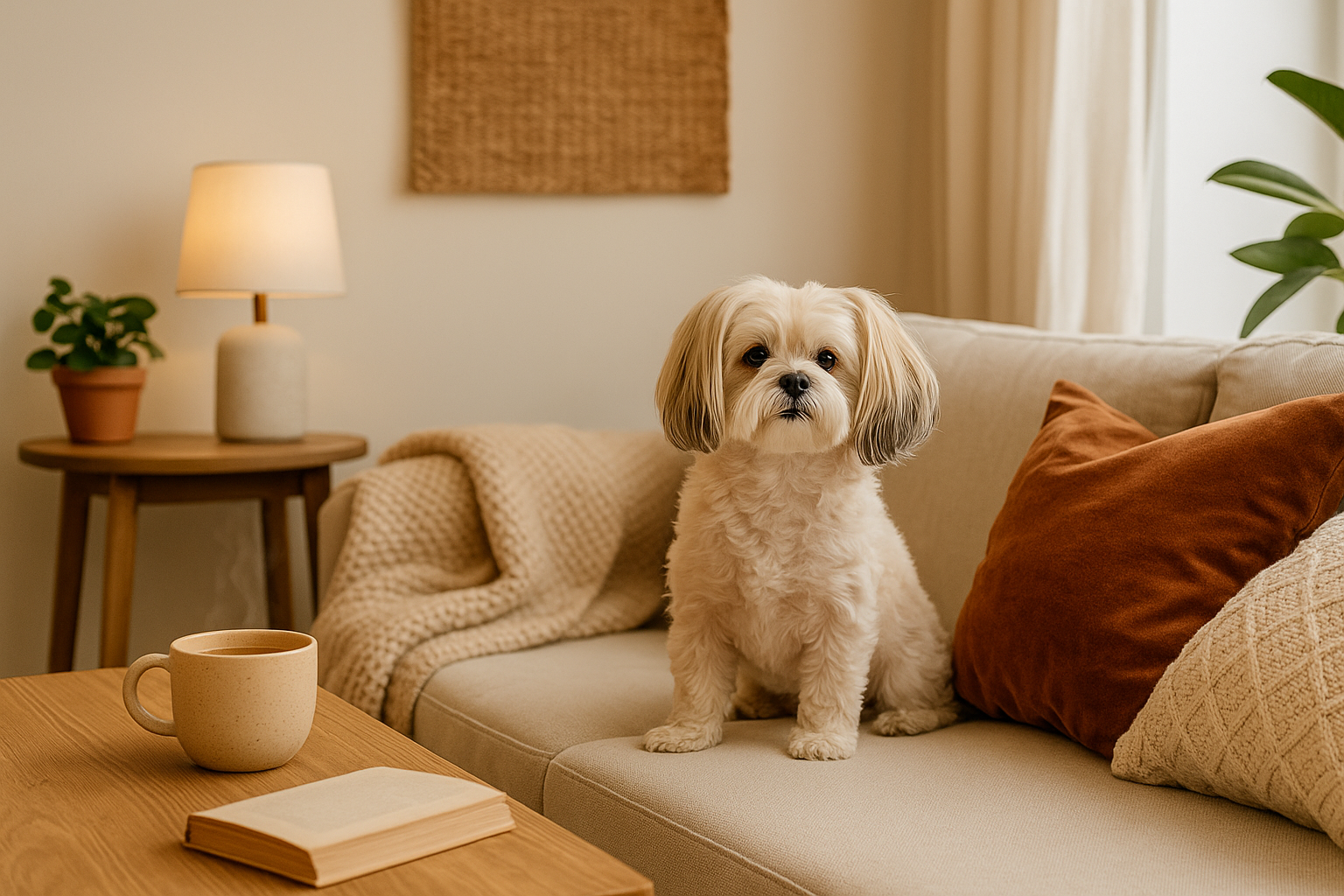

Note: This blog is based on my true story with Smokey. Please always consult your veterinarian for professional advice.
Shih Tzus have some of the most expressive eyes you will ever see. Big, round, and soulful, they seem to hold entire conversations without a single word. For me, Smokey’s eyes have always been my comfort. They brighten when he sees us return home. They soften when he curls up beside my husband during PTSD episodes. And sometimes, they make us panic when something looks off.
Their beauty comes with challenges. Because of their short noses and flat faces, Shih Tzus belong to a group called brachycephalic breeds. In simple words, it means their eyes are more exposed, making them prone to irritation and health problems. Over the years with Smokey, I have learned both the joy and the worry that come with Shih Tzu eye care.
The Day His Eye Shut Closed
One morning, I noticed Smokey squinting and pawing at his face. At first, I thought maybe a strand of hair had fallen into his eye. But by evening, his left eye looked swollen and he whimpered every time he tried to open it. The next day, it was completely shut.
My heart sank. I called the vet immediately. The thought of him in pain was unbearable. The vet diagnosed Smokey with keratitis and corneal ulceration. His eye was dry and fragile, and he needed urgent care.
The Prescriptions That Helped Smokey
Smokey’s veterinarian prescribed a combination of eye medications to help him heal and stay comfortable:
Ciprofloxacin 0.3% ophthalmic drops – one drop in both eyes every eight hours to fight infection.
Vetprofen flavor tablets – half a tablet once a day for ten days to ease pain and inflammation.
Optimmune ointment – a small strip placed in both eyes every twelve hours to help stimulate tear production.
Neo Poly Dex drops – used earlier in his care to control swelling and discomfort.
Each time I gave him his medicine, I whispered that it would help. He never fought me. He trusted me. Even when I knew the drops must have stung, he stayed still, pressing his little head into my hand.
The Scariest Moment For Us
The first time Smokey’s eye swelled shut, I panicked. I had never seen him look so uncomfortable. He rubbed his face on the carpet, whimpered, and clung to me. I cried that night, scared we might lose his sight.
But Smokey taught me something important. Even in pain, he stayed gentle. He let me hold him, give him his drops, and comfort him. His patience broke me and healed me at the same time.
Common Shih Tzu Eye Problems
Smokey’s journey showed me how delicate Shih Tzu eyes really are. Over the years, I have learned about the most common problems to watch for.
Watery Eyes and Tear Stains
Tears can build up and leave reddish stains around the fur. The first time I noticed this on Smokey, I panicked and called the vet, afraid something was very wrong. It turned out to be common.
What to do:
Gently wipe the eyes daily with a soft, damp cloth.
Keep the fur around the eyes trimmed short.
Use vet-approved wipes if staining becomes heavy.
If discharge looks yellow or green, call your vet right away.
Dry Eye
Some Shih Tzus do not produce enough tears, leading to dryness. Smokey’s vet taught me about this early, and I am glad I learned before it became an issue.
What to do:
Watch for squinting, thick mucus, or cloudy eyes.
Your vet may prescribe lubricating drops or ointment.
Never ignore it; untreated dry eye can lead to vision loss.
Cherry Eye
Cherry eye happens when a gland in the eyelid slips out of place and looks like a red lump near the eye. Thankfully, Smokey never had this, but it can happen suddenly.
What to do:
Do not try to push it back yourself.
Call your vet immediately; surgery is often needed.
Corneal Scratches and Injuries
Because Shih Tzu eyes are so prominent, they can easily get scratched. Smokey once rubbed his face on the carpet too hard, and I worried he had hurt his eye. Luckily, it was minor.
What to do:
If your Shih Tzu squints, paws at the eye, or it looks cloudy, call the vet.
Even small scratches can get worse quickly.
Keep fur trimmed around the eyes to prevent irritation.
Cataracts
Cataracts can make a dog’s eyes look cloudy or bluish. This is more common in older Shih Tzus, but it is something to watch for as they age.
What to do:
Regular vet checkups catch cataracts early.
Surgery may be an option for vision improvement.
Watch for bumping into things, a sign vision may be affected.
Lessons From Smokey’s Eyes
Smokey’s eyes remind me every day how fragile and precious love is. His struggles taught me:
Watch closely; small changes can mean big problems.
Act fast; Shih Tzu eye care issues are urgent, always call the vet.
Be patient; giving medicine is not easy, but love makes it possible.
Celebrate healing; the first time Smokey opened his eye again and wagged his tail, I cried with relief.
Final Thoughts
Shih Tzu eyes may be delicate, but they tell the most powerful stories. For us, Smokey’s eyes have carried his love, his trust, and his gentle spirit. Caring for them has been one of the hardest parts of being his mom, but also one of the deepest ways I have learned about unconditional love.


Comments